
How to Hack Time Doctor 2 with Lumous: October 2026 Test
We ran Lumous with Time Doctor 2 tracking in the background for over eight hours, then checked the results from an admin account. We looked at the tracked hours, web and app usage, screenshots, mouse and keyboard activity, and the unusual activity report.
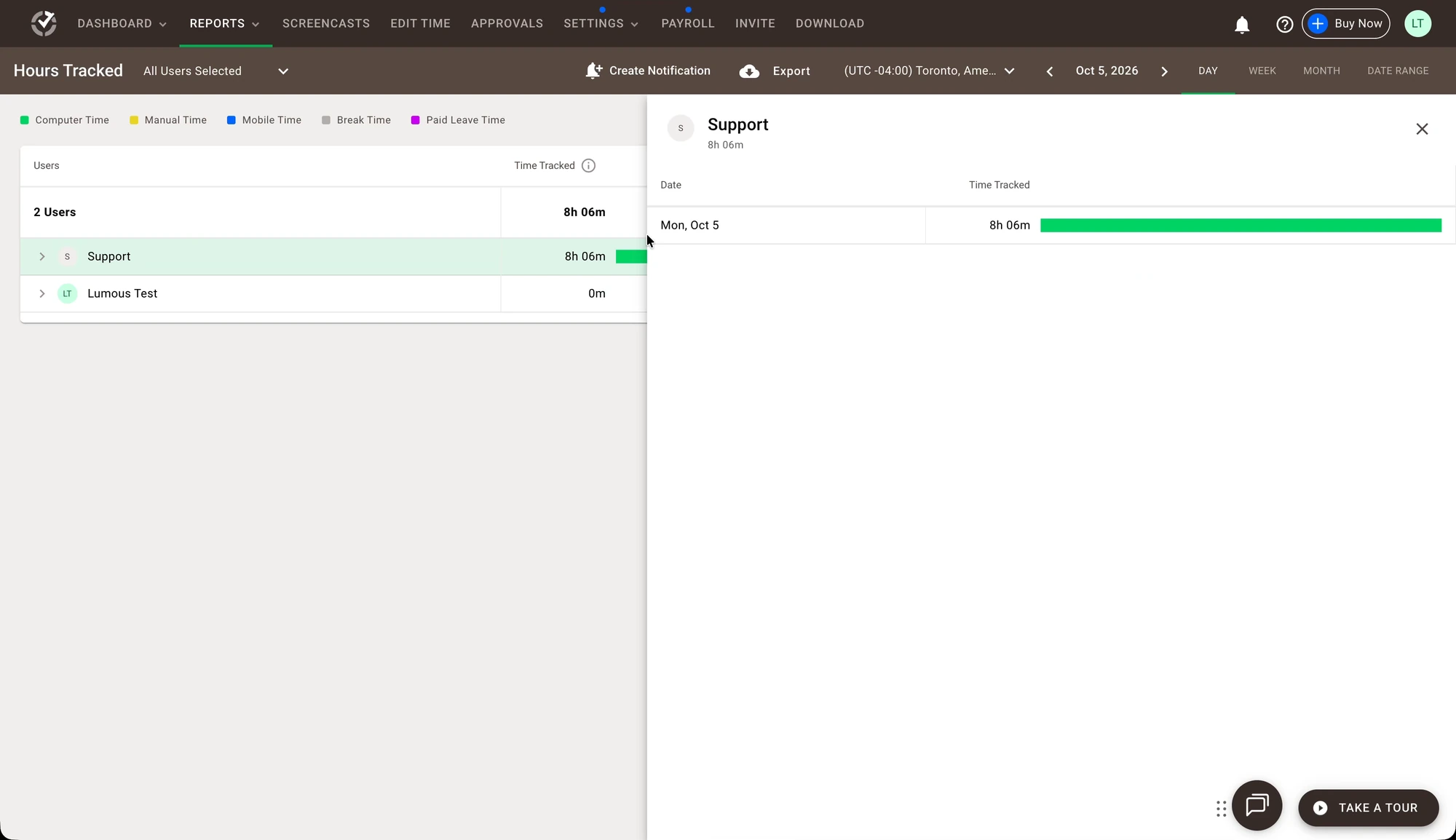
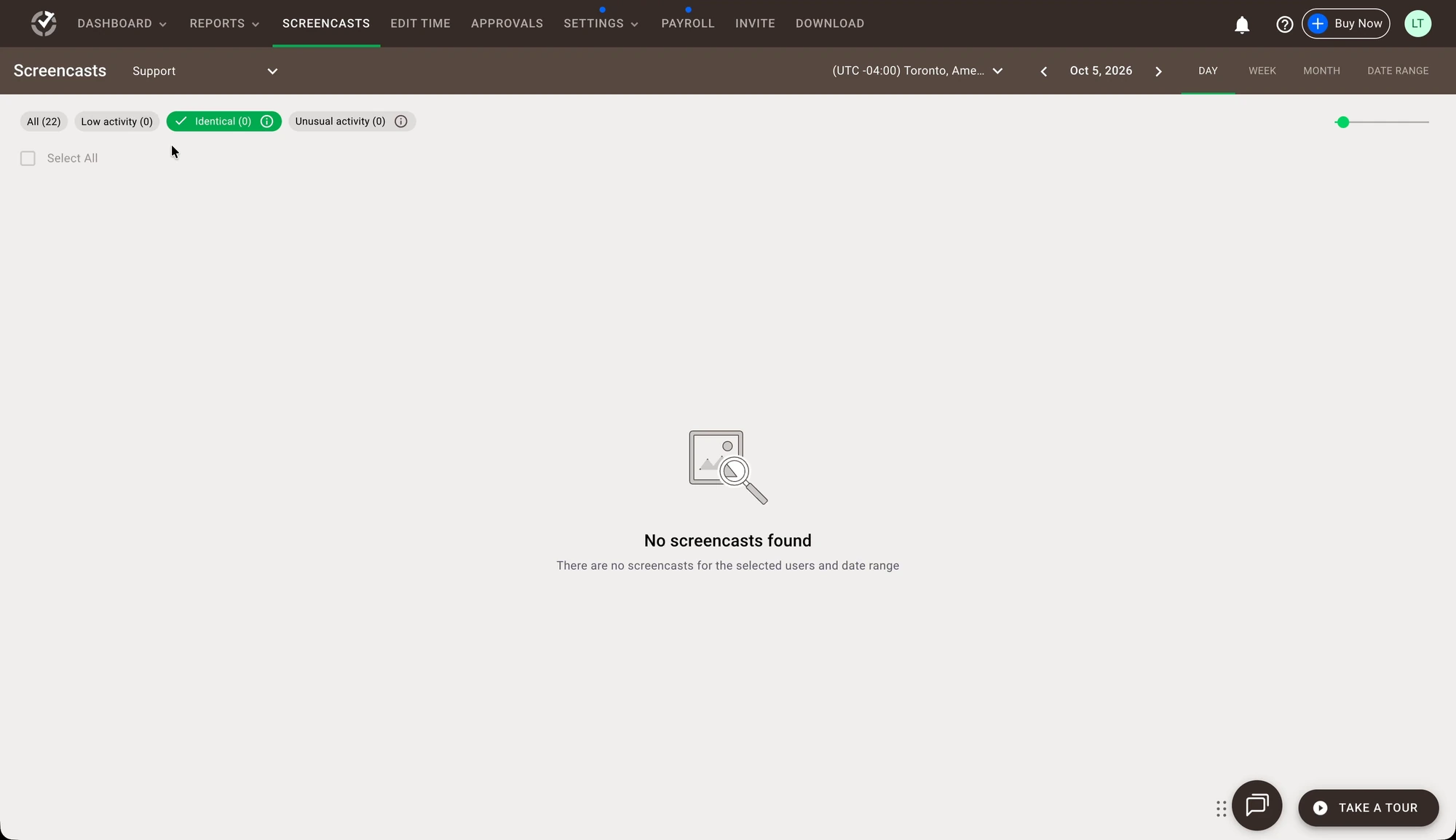
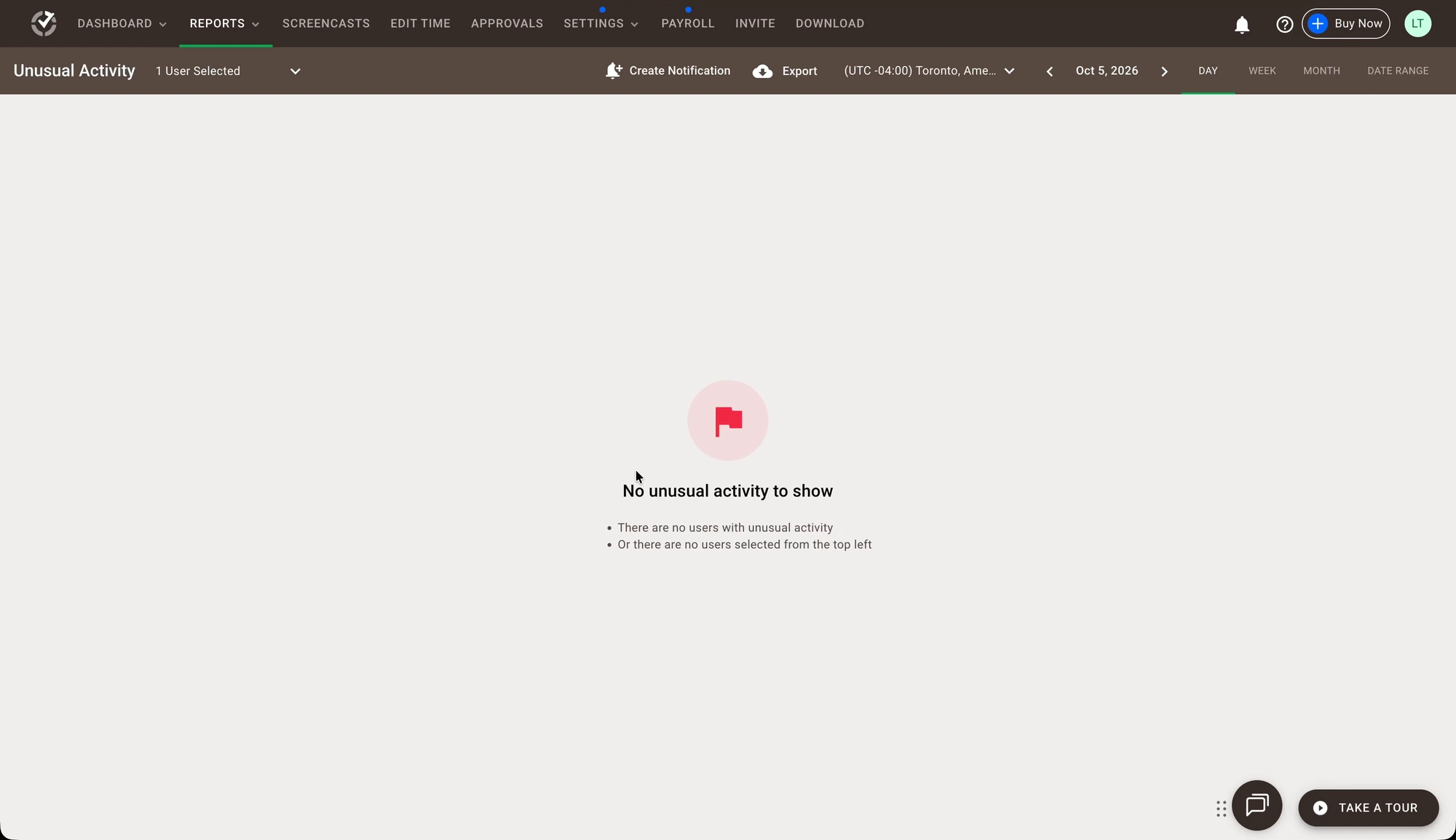
Time Doctor 2 recorded 8 hours and 6 minutes of tracked time, with no low-activity or identical screencasts and zero unusual activity instances.
The Lumous Settings We Used
We used Lumous 4.1.0 in Basic Mode, with the activity intensity set to Medium. Mouse movement, clicks, scrolling, tab switching, app switching, keyboard activity, and micro-breaks were all enabled.
| Setting | What we used |
|---|---|
| Safe Click Zones | Two zones, one on each side of the screen, to control where clicks can land. |
| Scrolling | Vertical and horizontal. |
| Tab switching | Browsers only, so tab-switching shortcuts stay within supported browsers. |
| App switching | Enabled; Lumous rotates through open applications that are not minimized. |
| Keyboard activity | Silent Keys. |
| Micro-breaks | 1–3 breaks per hour, lasting 30–120 seconds each. |
Basic Mode applies one intensity level across the features. Advanced Mode lets you adjust them individually. We kept Medium for the recording, with Word, Excel, Visual Studio Code, and Chrome open on the desktop.
How We Recorded and Reviewed the Time
We tracked the time using a regular employee account named Support. That is the account name you will see selected in the screenshots. We then signed in using our separate admin account, Lumous Test, to review the employee’s activity and check for any flags.
Time Doctor recorded 8 hours and 6 minutes while Lumous was running. The Hours Tracked report shows that time under the employee account, with no tracked time under the admin account.
The Applications and Websites Time Doctor Recorded
In Time Doctor’s Web and App Usage report, we can see Microsoft Excel, Visual Studio Code, and Microsoft Word. These are the applications we left open for Lumous to switch between, and you can watch it moving through them in the timelapse.
The websites line up with the Chrome tabs Lumous was switching between too: Wikivoyage, BBC, Google Drive, Wikipedia, Google Docs, Google Calendar, Gemini, Stack Overflow, and Lumous (our website). Our website was open in Chrome during the recording, so Lumous visited that tab along with the others.
The Lumous desktop app runs under the name Reminders and would appear separately in the application report if opened while Time Doctor is tracking.
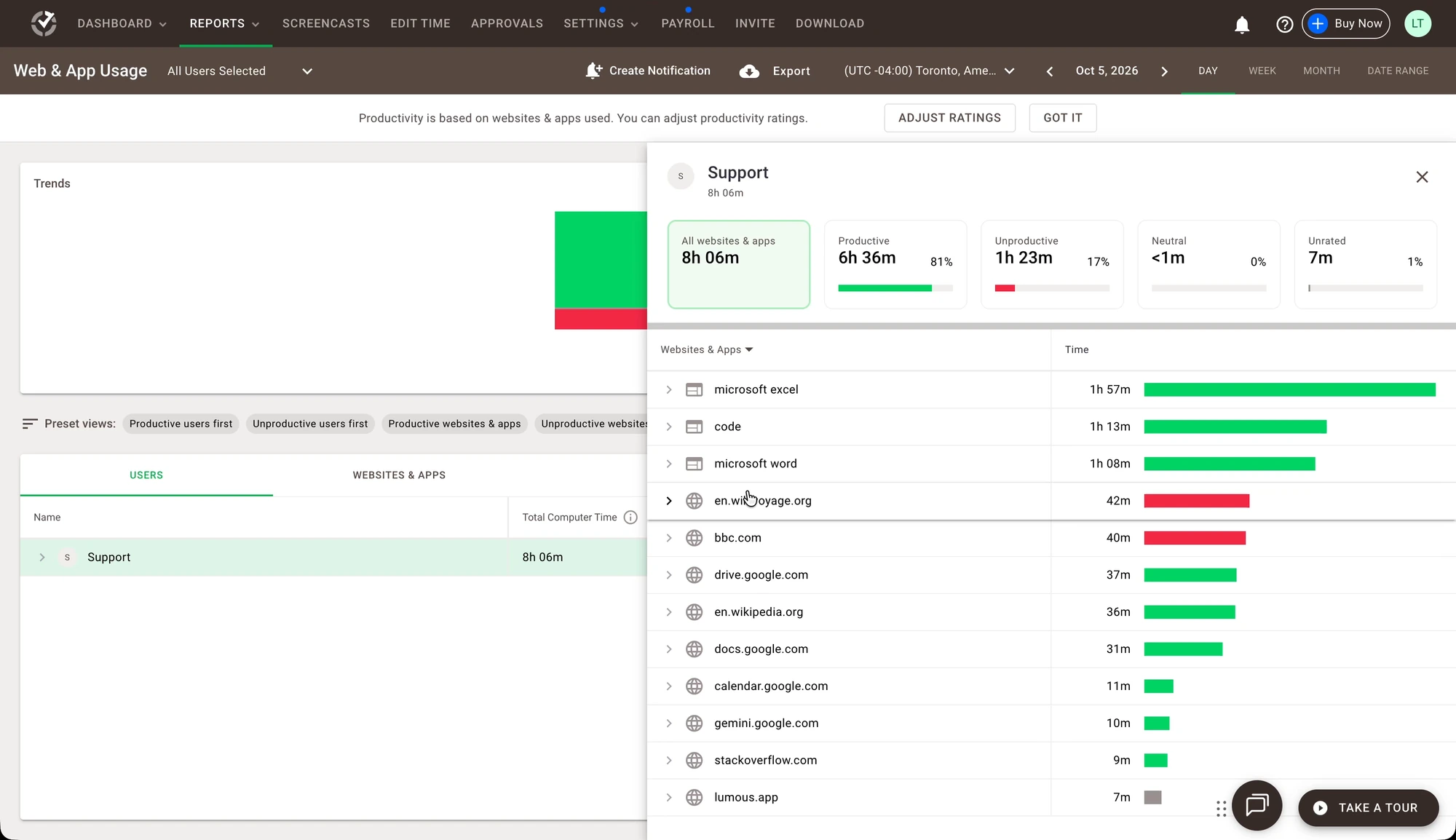
Time Doctor classified 6 hours and 36 minutes as productive (81%) and 1 hour and 23 minutes as unproductive (17%), with smaller neutral and unrated amounts. These categories depend on the apps and websites you leave open while Lumous is running, how long it spends in each, and how your organization classifies them. The screenshots provide a closer look at what was on screen.
Screenshots and Mouse and Keyboard Activity
Time Doctor calls its screenshots screencasts. We opened these to check what Lumous was doing at different points in the recording. At the bottom of each capture, Time Doctor lists keystrokes per minute and mouse movements per minute. As we move through the captures, both those numbers and the screen content change.
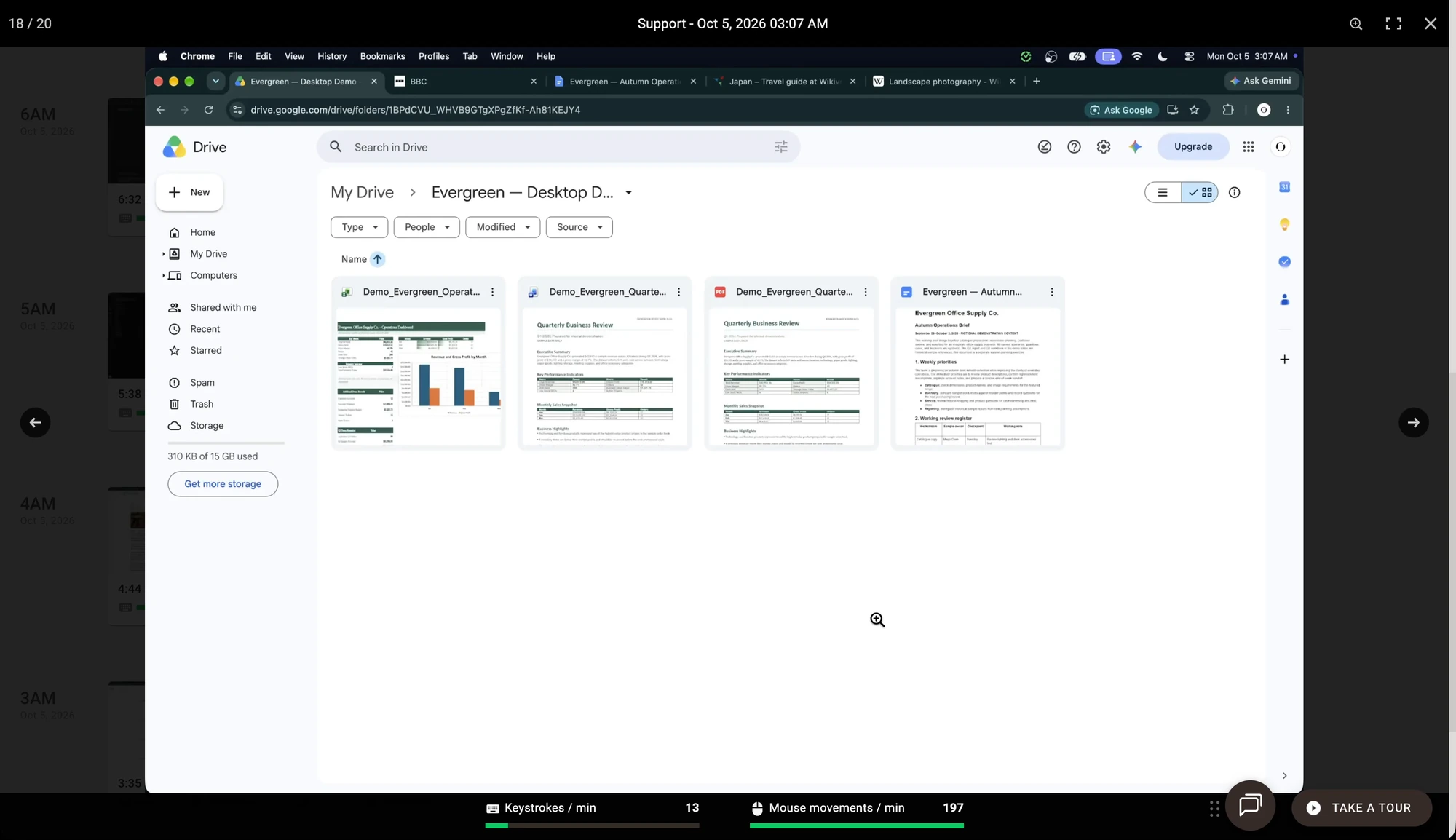
For example, the Google Drive capture at 3:07 AM shows 13 keystrokes and 197 mouse movements per minute. A later BBC capture at 3:35 AM shows 45 keystrokes and 131 mouse movements per minute. These are averages for each captured period.
This matches what you can follow in the timelapse: Lumous switches between the open apps and pages, scrolls through content, and varies its mouse and keyboard activity. Even when two captures show the same app, the visible content can differ. Each capture’s time lets you find that moment in the recording.
Low Activity, Identical Screenshots, and Unusual Activity
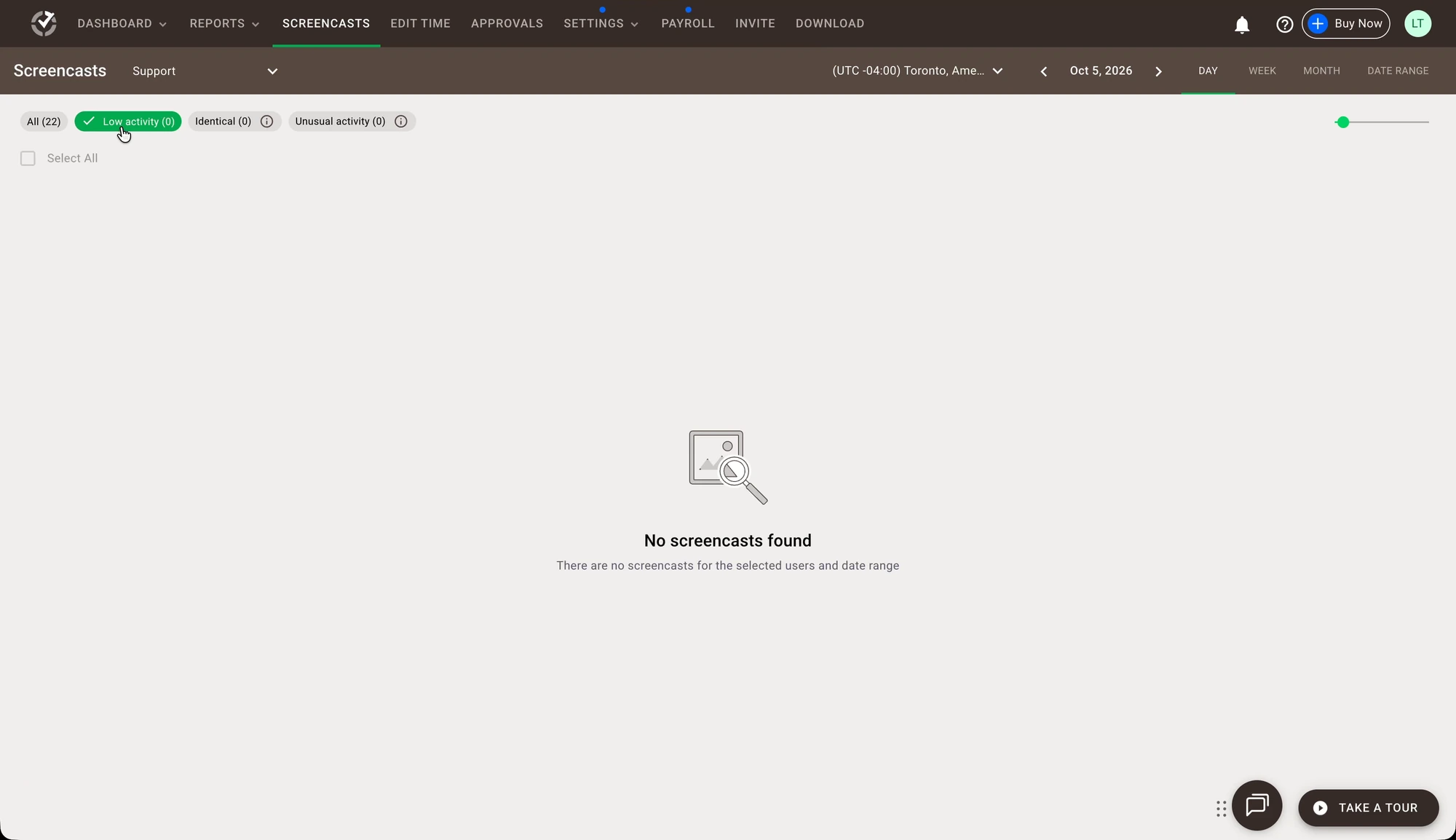
On the Screencasts page, we selected the employee account and October 5, the date of our test, then checked the Low activity and Identical filters. Both returned “No screencasts found.”
We then opened the separate Unusual Activity report for the same date and employee. It showed “No unusual activity to show.”
The Result
Time Doctor recorded 8 hours and 6 minutes, with changing screenshots and input activity, no low-activity or identical screencasts, and zero unusual activity instances.
Our earlier Time Doctor test covers a separate 10-hour-22-minute recording. The Time Doctor guide explains its tracking features and admin controls.
Watch the Recording
The video shows the Lumous settings and the admin review, followed by the desktop recording sped up to about 20 minutes. You can follow the time and date in the top-right corner and compare the apps and pages with Time Doctor’s captured screenshots. Use the chapters below to jump to a particular section.
Video Chapters
- 0:26 — Lumous app and settings
- 3:10 — Time Doctor admin dashboard
- 3:48 — Tracked hours
- 4:06 — Web and app usage
- 5:13 — Screencasts, keystrokes, and mouse movement
- 6:38 — Low-activity and identical-screencast filters
- 6:53 — Unusual activity report
- 7:18 — Recorded session timelapse
Try Lumous with Time Doctor 2
The Lumous app overview explains the controls in more detail. For installation and permissions, follow the Windows or macOS setup guide.
Available for Windows and macOS. Every feature is included for $5/month. Contact us if you would like help with your setup.